Ways To Save On Full Service Remodeling Without Cutting Quality
Homeowners want ways to save on full service remodeling without cutting quality
If you're considering a full service remodel, you probably want to reduce cost without sacrificing safety, durability, or style. Riley Riley Construction recommends practical value strategies such as phasing selections, choosing durable materials, and making design decisions that minimize waste. These approaches help you achieve the look and function you want while protecting long-term value and comfort.
In the pages that follow you'll find approachable, realistic techniques homeowners use to lower upfront cost while avoiding common compromises that create problems down the road. Whether you are updating a kitchen, bathroom, or an entire home, learning these ways to save on full service remodeling without cutting quality will help you make clear choices, plan smarter, and retain resale value.
Plan, prioritize, and phase work to control cash flow and outcomes
One of the simplest and most effective ways to save on a full service remodel is to break the project into phases aligned with budget and time. Phasing means tackling the most impactful work first-structural or safety improvements and high-use rooms-and delaying cosmetic upgrades until funds allow. This reduces financial pressure and avoids rushed, low-quality decisions that can cost more in the long run.
Phased remodeling also gives homeowners time to live with early changes and refine later choices. You might complete framing, insulation, and mechanicals in phase one, then select finishes in phase two after seeing how light and traffic affect spaces. This staged approach improves decision confidence and often reduces costly change orders during construction.
Practical phasing examples
- Phase 1: Structure, roofing, windows, electrical and plumbing-addresses safety and performance.
- Phase 2: Cabinets, major appliances, and primary finishes-focuses on core function.
- Phase 3: Trim, paint, fixtures, and landscaping-adds final polish when budget allows.
Choose durable materials that lower lifetime cost
 Choosing higher-quality, durable materials upfront can be a powerful strategy to save money over time. Materials such as porcelain tile, engineered hardwood, and quartz countertops often cost more initially but resist wear, staining, and water damage better than cheaper alternatives. Less frequent replacement and fewer repairs translate into lower lifetime cost and a better return on investment.
When selecting materials, think about lifecycle cost-not just the sticker price. For example, a mid-range quartz countertop may cost $75-$200 per square foot installed, but it resists staining and requires minimal maintenance compared with lower-cost laminate that might need replacement sooner. Comparing expected life and maintenance can reveal where modest up-front premiums are actually savings.
Where durability matters most
- Floors in high-traffic areas: choose scratch-resistant planks or tile.
- Kitchen surfaces: opt for non-porous, low-maintenance counters.
- Bathrooms: select moisture-resistant wall panels and grout systems.
Design choices that save money without appearing cheap
Good design looks thoughtful, not inexpensive. Strategic choices-like selecting standard cabinet sizes instead of fully custom units, using longer uninterrupted runs of cabinetry, or choosing tile patterns that minimize cuts-can reduce labor and waste. Those small design decisions add up, saving time on installation and lowering material overage costs while still delivering a cohesive, polished look.
Another high-value tactic is to simplify complex architectural features that drive costs. For instance, reducing the number of wall angles, eliminating unnecessary soffits, or using a single, quality tile across a room creates a cleaner aesthetic and keeps installation straightforward. This preserves visual appeal while avoiding labor-intensive detailing that increases bills.
- Prefer standard door and window sizes to reduce framing and custom ordering fees.
- Use repeatable finishes and coordinated palettes to simplify purchasing and reduce waste.
- Consolidate plumbing and electrical to shared walls or locations to lower rough-in costs.
Smart contractor strategies: communicate, compare, and protect
Working with the right contractor is essential to achieving savings without compromise. A reputable full service contractor can help you find value choices, suggest trusted suppliers, and schedule work efficiently. Before hiring, ask for detailed bids that separate labor, materials, subcontractor fees, and allowances. Transparent pricing makes it easier to identify where to save without cutting quality or skipping required permits and inspections.
Comparing bids is useful, but don't select solely on lowest price. Consider experience, warranty offerings, and references. A contractor who provides a clear scope of work and contingency plan will help avoid expensive surprises. Also, ask about their approach to minimizing waste and handling change orders-processes that directly affect final cost and quality.
Questions to ask potential contractors
- How do you handle material allowances and upgrades?
- What warranty and post-completion service do you provide?
- Can you explain the payment schedule and how change orders are approved?
Smart purchasing, timing, and reuse to lower material costs
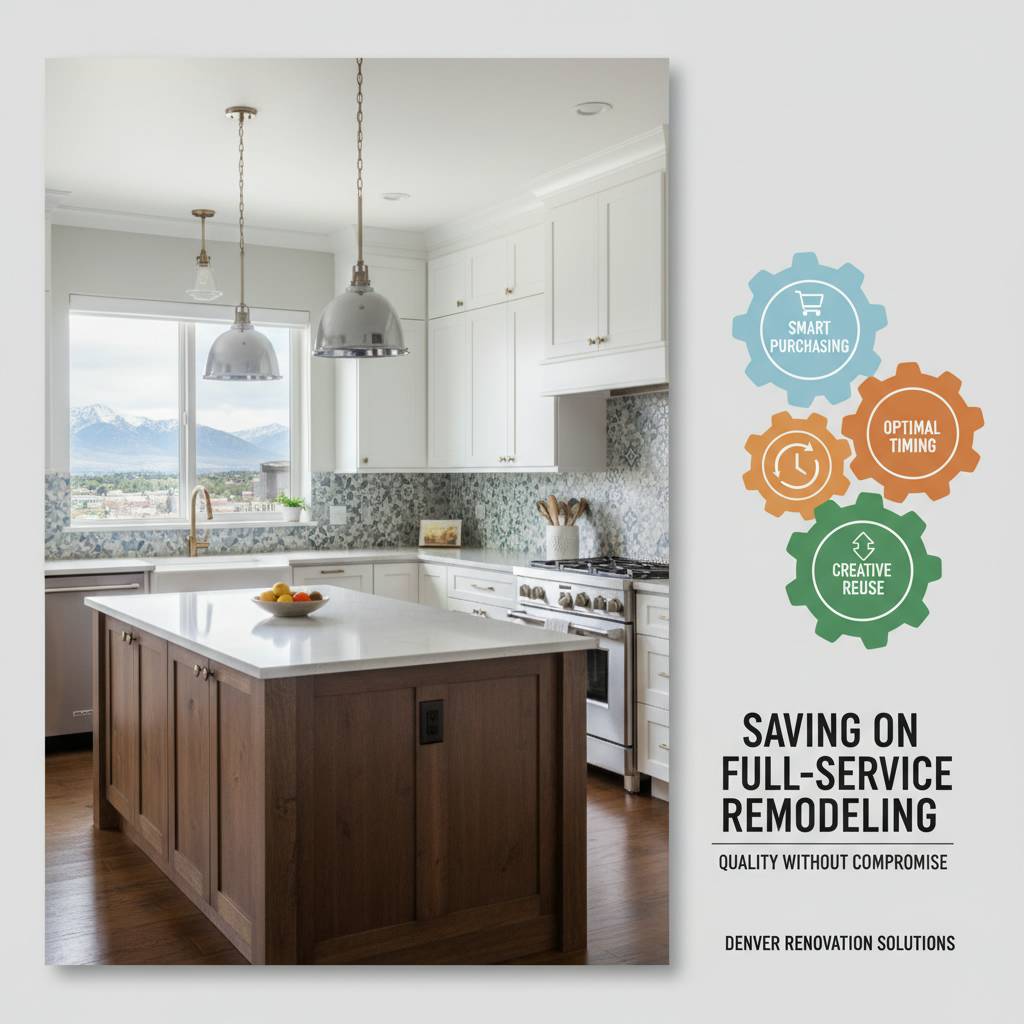 There are many ways to save on materials without compromising outcomes. Buying at the right time-during seasonal sales, manufacturer promotions, or closeout events-can reduce price significantly. Contractors often have trade accounts and access to bulk discounts; working with a full service provider who can consolidate purchases is an efficient way to capture those savings.
Repurposing existing materials can also preserve character and reduce cost. Refinishing hardwood floors, reglazing tubs, or updating cabinet fronts with new doors instead of replacing entire units are common cost-saving tactics. When reuse isn't feasible, consider buying open-box or discontinued lines for components such as lighting and tile-these can offer strong visual results at a lower cost.
| Item | Typical Range | Value Tip |
|---|---|---|
| Quartz countertop | $75-$200 per sq ft | Buy slabs from overstock or choose durable colors with fewer seams |
| Engineered hardwood | $3-$10 per sq ft | Choose wider planks for fewer seams; refinish when possible |
| Ceramic/porcelain tile | $1-$20 per sq ft | Use larger tiles to reduce labor; buy slightly extra to avoid mismatches |
Energy efficiency and long-term savings
Investing in energy-efficient upgrades during a remodel is a proven way to save money over time without reducing quality. High-efficiency HVAC systems, LED lighting, improved insulation, and energy-efficient windows can increase comfort and lower utility bills. These investments may have an upfront cost but often pay back through reduced energy use and increased market appeal.
Also consider water-saving fixtures and smart home controls that improve performance and convenience. Rebates and tax credits for certain appliances and insulation upgrades are sometimes available-check local programs as they can substantially offset initial expense. Energy-conscious decisions protect comfort and financial health and are not a compromise on quality.
Case study: phased kitchen and bath remodel that preserved quality
A family wanted a major kitchen and two-bath remodel but had one-time funds that wouldn't cover everything at once. They worked with a full service contractor to phase the project: structural and mechanical systems were completed first, then the kitchen layout and cabinets, and finally the finishing touches and secondary bathroom upgrades. This approach avoided rushed, low-quality choices while allowing the family to spread payments over time.
By selecting mid-range quartz in a popular neutral color, keeping the existing layout to minimize plumbing moves, and refinishing rather than replacing some trim, the client reduced costs without sacrificing durability or aesthetics. After completion they saw increased functionality immediately and avoided multiple disruptions to their daily life by staging the work thoughtfully.
Common questions about saving without sacrificing quality

How do you cut cost without skipping necessary safety work?
Start by prioritizing structural, electrical, and plumbing safety. These items should never be reduced to save money. Instead, find savings in finishes, scheduling, and material selection. A clear scope and inspector-approved work ensures safety standards remain intact while you optimize other parts of the budget.
Is it better to buy cheaper materials and replace later?
Often it is more expensive to replace materials early than to buy durable options now. Cheap materials can lead to more frequent repairs, more downtime, and lower resale value. Consider lifecycle costs and choose upgrades that will last longer in high-use areas while saving on less critical elements.
Can working with a full service contractor actually save me money?
Yes. A full service contractor coordinates subcontractors, purchases materials at trade rates, and sequences work efficiently. That coordination reduces rework, minimizes waste, and can secure discounts unavailable to homeowners buying piecemeal. Always verify contractor credentials, insurance, and references to ensure value and accountability.
Final steps and next actions
Saving on a full service remodel without cutting quality is a mix of planning, smart purchasing, and informed design choices. Start with a prioritized plan, choose durable materials where they matter most, and work with an experienced contractor who values clear communication and transparent pricing. These steps reduce the chance of costly surprises and help preserve the long-term value of your home.
If you'd like personalized guidance, Riley Riley Construction is ready to help you explore practical options, from phasing and selection strategies to contractor coordination and financing ideas. Call 17207828897 to discuss ways to save on full service remodeling without cutting quality that fit your home and budget.
Ready to take the next step? Reach out for a friendly consultation and a clear plan that keeps standards high while respecting your budget. Contact Riley Riley Construction at 17207828897 to get started.