
Stages Of Full Service Home Remodel
Understanding the stages of a full service home remodel helps owners plan time and budget. Riley Riley Construction outlines each stage with practical milestones and quality checks. Call 17207828897 to learn how we manage each phase for your home. This page will make the process predictable and less stressful for clients.
Taking on a full service home remodel can feel overwhelming, but it becomes manageable when you understand the typical sequence of work and the milestones to expect. At Riley Riley Construction, we guide homeowners through the stages of full service home remodel with clear timelines, realistic budgets, and quality checkpoints to reduce surprises. This overview explains what happens from that first conversation through final handover, so you can plan your life and finances around a predictable process.
Whether you are updating a single room, reworking a floor plan, or performing a whole-house renovation, the same broad phases recur: planning and design, approvals and pre-construction, demolition and structural changes, mechanical and electrical work, finishes and fixtures, and final inspections and handover. Each stage contains practical milestones and quality checks you should ask your contractor about. Knowing these helps you make informed decisions and track progress without added stress.
Stage 1: Planning, design, and budgeting
The planning and design stage sets the tone and budget for the entire project. During this phase you and Riley Riley Construction clarify goals, prioritize spaces, and decide on style, materials, and overall scope. This is the time to balance wants and needs, identify must-have items, and align expectations on cost per square foot or per-room estimates. Robust planning minimizes costly changes later and creates a working blueprint for scheduling and purchasing.
Key milestones in this stage include an initial site visit, a concept design, and a detailed design package that may contain floor plans, elevations, material selections, and a preliminary cost estimate. We will also create a preliminary project schedule that estimates lead times for long-lead items such as custom cabinets or specialty lighting. Expect several rounds of revisions; these are part of refining the plan so construction runs smoothly.
Design deliverables and quality checks
- Concept plan and mood boards to confirm style and layout.
- Detailed construction drawings or specifications for permit submission and pricing.
- Preliminary budget with contingency and allowances for unknowns.
- Material and fixture selections confirmed in writing to avoid substitutions.
Quality checks at this stage focus on clarity and completeness. Verify that plans show all intended changes, that finish schedules match visual samples, and that the budget includes allowances and a contingency line (commonly 10%-20% depending on scope). A clear design package reduces ambiguity for subcontractors and suppliers, which in turn reduces delays and cost overruns.
Stage 2: Permits, approvals, and pre-construction planning
 Before a single wall comes down, many remodels require permits and sometimes neighborhood approvals. Riley Riley Construction helps identify the necessary permits-building, electrical, plumbing, mechanical, and any specialty approvals such as historical review or HOA sign-offs-and prepares complete permit applications. Securing permits can take days to months depending on local jurisdiction, so this stage must be factored into your timeline early.
Pre-construction planning overlaps with permitting and includes finalizing subcontractor selections, ordering long-lead items, and establishing site logistics. Decisions about staging, protection for existing finishes that remain, and temporary utilities are finalized here. A detailed pre-construction meeting typically outlines daily start and end times, delivery windows, parking, and where to store materials to minimize disruption to your household and neighborhood.
Practical milestones and communication expectations
- Permit submission and estimated approval timeline.
- Confirmed orders for cabinets, windows, and other long-lead items.
- Signed contracts and agreed payment schedule tied to milestones.
- Pre-construction walk-through to review protection, neighbor notifications, and site access.
Expect regular status updates during this period. A typical cadence might be weekly emails and a phone call before major milestones. Good communication reduces anxiety and ensures you can address issues-like a delayed fixture or a code-required alteration-before they impact the schedule dramatically.
Stage 3: Demolition and structural work
Demolition marks the visible start of construction and often causes the most anxiety for homeowners. It is important to separate selective demolition (removing cabinetry, finishes, or non-load-bearing walls) from structural demolition (removing load-bearing walls or altering foundations). When structural changes are involved, engineers and inspectors will verify that temporary supports and new structural members meet code. This stage requires strict quality controls because errors here are costly to remediate.
Demolition produces dust and noise; protecting the parts of the house that remain habitable is essential. Protective barriers, negative air machines, and dedicated walkways help maintain cleanliness and safety. Once demolition exposes the framing, the crew can verify conditions against the drawings and identify unforeseen issues-such as hidden rot, termite damage, or undocumented wiring-that may affect scope and cost. When such discoveries occur, a contractor should document them and present options before proceeding.
Milestones and checks during structural work
- Demolition complete and debris removed; site cleaned and contained.
- Structural framing verified and approved by an engineer if required.
- Inspections for foundation, framing, or load-bearing changes passed before cover-up.
- Documentation of any unforeseen conditions and signed change orders if needed.
Quality assurance here includes comprehensive inspection reports, photographic documentation of concealed work before it is covered, and clear approvals from building officials. That documentation helps protect both the homeowner and contractor and prevents liability for missed issues later on.
Stage 4: Mechanical, electrical, and plumbing (MEP) rough-ins
With framing and structural work approved, trades move in to install the mechanical, electrical, and plumbing systems-often called rough-ins. This is a highly coordinated stage because routing ductwork, plumbing lines, and electrical conduits must fit within the walls and ceilings planned for insulation, drywall, and finishes. Precision now saves sleepless nights later when someone discovers a vent is in the wrong place or a drain slope is incorrect.
Expect subcontractors to mark locations for fixtures and appliances and to seek final confirmation before permanently installing ductwork, pipes, or wiring. If your remodel involves changes in load (for example, adding a range, electric vehicle charger, or a hot tub), now is the time to upgrade service panels or reconfigure electrical distribution. These changes require additional permitting and inspection, so they should be anticipated during the design stage to avoid schedule slips.
MEP quality checks and inspections
- Pressure tests for plumbing and air-tightness checks where applicable.
- Electrical circuits verified, labeled, and inspected before drywall installation.
- HVAC ductwork tested for balance and clearance to finished surfaces.
- Coordination meeting to confirm locations for appliances, lights, and switches.
It is a best practice to have an on-site or virtual walk-through with the project manager and client at the rough-in completion milestone. This lets you confirm locations and functions before inspection and drywall cover-up. Any changes at that point are cheaper and faster than after finishes are applied.
Stage 5: Insulation, drywall, and interior finishes
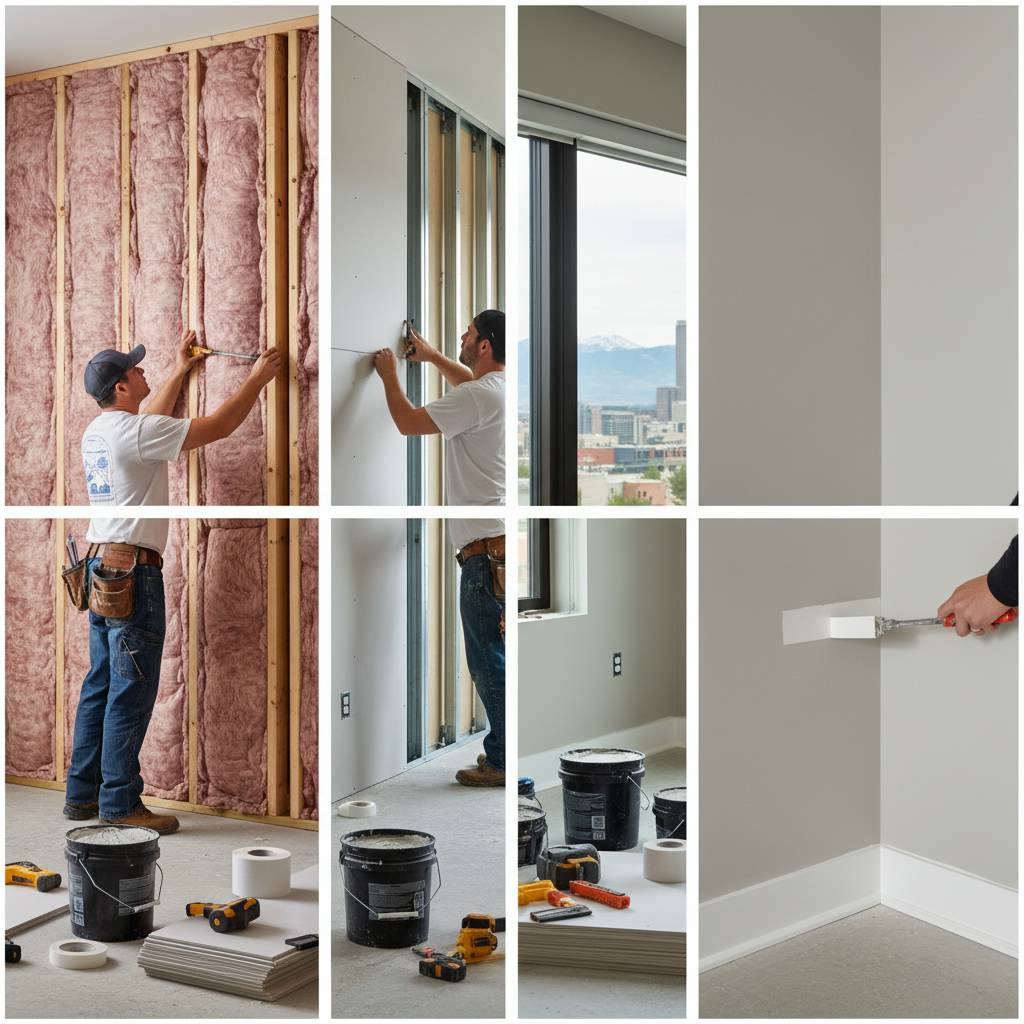 Once rough-ins pass inspection, the project moves into the visible phase: insulation, drywall, and interior finishes. Drywall installation, taping, and finishing can take longer than homeowners expect because proper drying times and multiple coats are required to achieve flat, paint-ready surfaces. Simultaneously, finish carpentry-trim, cabinet installation, and millwork-begins, along with painting and flooring.
Selecting finishes early and confirming exact products helps prevent delays. For instance, flooring that arrives late or a custom backsplash that deviates from the agreed material can push back subsequent trades. At this stage, disciplined scheduling and buffer days for curing or acclimation of materials are valuable. Expect several on-site visits to confirm color choices under actual lighting conditions and to resolve minor adjustments like trim spacing or grout color.
- Cabinets and countertops installed after rough carpentry and subfloor preparation.
- Tile, stone, and hardwood installation scheduled with appropriate sequencing to prevent damage.
- Final hardware and fixture installations coordinated to match pre-ordered finishes.
Quality checks include reviewing paint coverage and color consistency, verifying grout lines and tile alignment, and ensuring hardware is correctly installed and operates smoothly. Each finish has an acceptance step where you confirm it meets your expectations before the next trade proceeds. Detailed punch lists begin to take shape as spaces near completion.
Stage 6: Final inspections, punch list, and handover
The last physical stage of a remodel includes final inspections and punch list work-minor corrections and adjustments to make the finished product complete. Building departments will perform final code inspections for electrical, plumbing, mechanical, and overall occupancy where required. The punch list typically addresses small paint touch-ups, hardware tightening, grout cleaning, and calibration of doors or cabinetry. Allow two to four weeks for these final steps depending on project size.
Handover should be organized and thorough. A professional team provides documentation including warranties, product manuals, maintenance recommendations, and as-built drawings if there were changes during construction. Riley Riley Construction often compiles a homeowner binder or digital folder so you have a single resource for future maintenance and warranties. A final walkthrough with your project manager ensures both parties agree that the work meets the contract and quality standards.
Post-completion support and warranty checks
- Written warranties for workmanship and manufacturer guarantees for products.
- Scheduled follow-ups-often at 30 and 90 days-to address settling issues or latent defects.
- Tips and checklists for seasonal maintenance to protect finishes and mechanical systems.
Good contractors stand behind their work and provide a clear process for addressing issues after occupancy. Insist on a documented warranty and a commitment to timely responses if small problems arise. That professional follow-through reduces homeowner anxiety and protects your investment.
Timeline, cost considerations, and a sample summary table
Every remodel is unique, but it helps to think in broad timelines. A moderate single-room remodel might take 6-8 weeks, while a whole-house remodel often runs 4-6 months or longer depending on structural changes, permitting timelines, and the extent of finish work. Timing is affected by supply chains, custom items, and inspection scheduling. Early planning and selecting stock or readily available materials can shorten lead times.
Budgeting requires realistic expectations. Labor typically accounts for 40%-60% of a remodel budget, with materials and fixtures making up the remainder. Unforeseen issues-hidden water damage, outdated electrical, or pest remediation-are common and should be covered with a contingency. Below is a simplified sample table to illustrate typical ranges for various levels of renovation work.
| Project Type | Typical Timeline | Typical Cost Range |
|---|---|---|
| Bathroom remodel (mid-range) | 6-10 weeks | $10,000-$40,000 |
| Kitchen remodel (mid-range) | 8-16 weeks | $25,000-$75,000 |
| Whole-house remodel | 16-32 weeks | $75,000-$300,000 |
Note that these ranges are illustrative and vary by market, material choices, and complexity. Discussing priorities-where to invest and where to economize-helps manage costs without compromising essential quality. Financing options, payment schedules tied to milestones, and clear change order procedures also improve predictability.
Frequently asked questions and final considerations
It is normal to have many questions. Common concerns include how to live in a home during construction, how changes affect the schedule, and how contractors handle unexpected discoveries. Plan for temporary living arrangements or staged construction if you need to remain in the home. Clear contractual language about change orders and written approvals minimizes disputes about scope and cost.

Coordination is crucial: good project managers sequence trades to minimize downtime and ensure warranties are honored. Request regular progress photos and maintain an open line for questions. Also, insist on documented sign-offs at each milestone so there is mutual agreement on what work is finished before payments are released. This documentation protects both you and your contractor and keeps the project moving smoothly.
Next steps and how Riley Riley Construction helps
If you are considering a full service home remodel, start with a clear conversation about your goals and budget. Riley Riley Construction offers an initial consultation to assess your home, discuss priorities, and outline realistic timelines. We provide transparent proposals with milestone-based payment schedules, and we emphasize written change orders to manage expectations when the unexpected arises. occasionally meets clients on-site to review selections and confirm finishes in real time.
Call 17207828897 to schedule a no-obligation consultation and get a tailored project outline that maps the stages of full service home remodel to your specific needs. Whether you want a detailed schedule, a phased approach to living through construction, or a single-point solution that manages design through warranty, we provide the organization and craft to deliver results on time and on budget.
Ready to get started? Contact Riley Riley Construction at 17207828897 to discuss your project, request references, and see examples of recent work. We'll walk you through a clear plan for every stage and set milestones so your remodel feels predictable rather than disruptive. Your home deserves the care of experienced professionals-let's make the process straightforward together.