
How Warranties Work On Remodels
Understanding Warranties: Why They Matter to Remodel Owners
Knowing how warranties work on remodels empowers homeowners to protect their investment after construction ends. A clear warranty turns a completed project into a promise: the contractor stands behind materials, workmanship, and sometimes manufacturer obligations. At Riley Riley Construction, we believe transparency about warranty terms reduces disputes, speeds repairs, and preserves home value. Owners who understand coverage, time frames, and claim procedures are less likely to face unexpected out-of-pocket costs when something goes wrong.
Remodel projects range from small bathroom updates to whole-house renovations, and warranty expectations should scale accordingly. A three-year workmanship warranty on a kitchen remodel is different from a one-year manufacturer warranty on appliances. This guide explains common warranty components, typical durations, and practical steps owners can take to document and safeguard coverage. Use it as a checklist when comparing bids and signing contracts so you know what protection comes with the cost.
What Remodel Warranties Typically Cover
Most remodel warranties fall into three categories: workmanship, materials, and manufacturer warranties. Workmanship warranties cover the contractor's labor and installation methods-this is where your contractor's standards and skill matter most. Material warranties address products supplied by the contractor that are not covered by the manufacturer. Manufacturer warranties apply to appliances, fixtures, windows, and other branded items and are issued by the product maker.
Understanding the distinction is crucial because remedies differ. A workmanship issue normally requires the contractor to perform corrective work, while a defective product often requires a replacement or manufacturer service call. In many remodels the contractor will coordinate manufacturer claims, but owners should confirm who is responsible for initiating and following up on each type of claim to avoid delays and finger-pointing.
Typical Warranty Terms and Durations
 Warranty lengths vary widely depending on the trade and the scope of the remodel. Common examples include one-year general workmanship warranties, two- to five-year limited warranties for certain structural or specialized systems, and manufacturer guarantees that range from one year to lifetime coverage for specific components. It's normal to see a combination of overlapping warranties on a single project, and the contract should identify which warranty covers each element of the work.
To make this concrete, a rough comparison table helps outline typical durations and responsible parties:
| Component | Typical Warranty Length | Who Issues It |
|---|---|---|
| General workmanship (finishes, framing, trim) | 1-3 years | Contractor |
| Plumbing and electrical systems | 1-5 years (trade-specific) | Contractor or subcontractor |
| Roofing and structural elements | 5-20 years (varies) | Manufacturer & Contractor |
| Appliances and fixtures | 1 year - lifetime (manufacturer) | Manufacturer |
| Specialty products (e.g., composite decking) | 10-25 years (limited) | Manufacturer |
Note that typical ranges are illustrative; always review the actual warranty language. Some contractors offer extended warranties for an additional fee, while others will honor repairs beyond the written term as part of a service commitment. Verify whether the warranty is transferable to a future owner, as transferability can affect resale value.
Common Exclusions and Conditions That Void Coverage
No warranty covers every conceivable problem, and exclusions are important to identify before work begins. Typical exclusions include damage from normal wear and tear, improper homeowner maintenance, acts of God or weather, alterations performed without contractor approval, and damage caused by other trades or subsequent work. Understanding these limits helps homeowners maintain coverage and avoid disputes when problems arise.
Concrete examples of exclusions include water damage from a roof leak caused by a tree limb, or discoloration of natural stone from household chemicals-both of which are often excluded. Other conditions such as failure to follow recommended maintenance instructions can also void coverage. Keep all manufacturer care instructions and any contractor maintenance schedules in your project file to demonstrate that you followed required steps.
Below are some common exclusions to review in any warranty document:
- Damage from lack of maintenance or improper cleaning
- Changes made by the homeowner or third-party contractors without written consent
- Normal settling, shrinkage, or movement of the structure over time
- Cosmetic issues that fall within acceptable industry tolerances
- Issues arising from code changes or upgrades required after project completion
How to Make a Claim: A Clear, Practical Process
Knowing how warranties work on remodels includes knowing how to make a claim efficiently. First, gather documentation: the original contract, scope of work, warranties, payment records, photographs that document the defect, and any communications with the contractor about the issue. Timely notification is usually a contractual requirement, so report problems in writing as soon as they are noticed.
Step-by-Step Claim Process
- Document the problem with dated photos and written notes.
- Review the warranty documents to identify the responsible party and claim window.
- Notify the contractor in writing (email or certified letter) describing the issue and requesting inspection or repair.
- Allow reasonable access and time for the contractor or manufacturer representative to inspect and propose remedies.
- If a satisfactory resolution is not offered, escalate to mediation, arbitration, or small claims following the contract terms.
Most reputable contractors respond quickly to warranty claims because a timely repair preserves their reputation and prevents larger damage. However, sometimes manufacturer claims are slower. If a manufacturer is responsible, ask the contractor to act as the intermediary to ensure parts and labor are coordinated. Keep records of every interaction and set reasonable follow-up timelines to avoid misunderstandings.
Practical Tips for Preserving Coverage and Avoiding Disputes
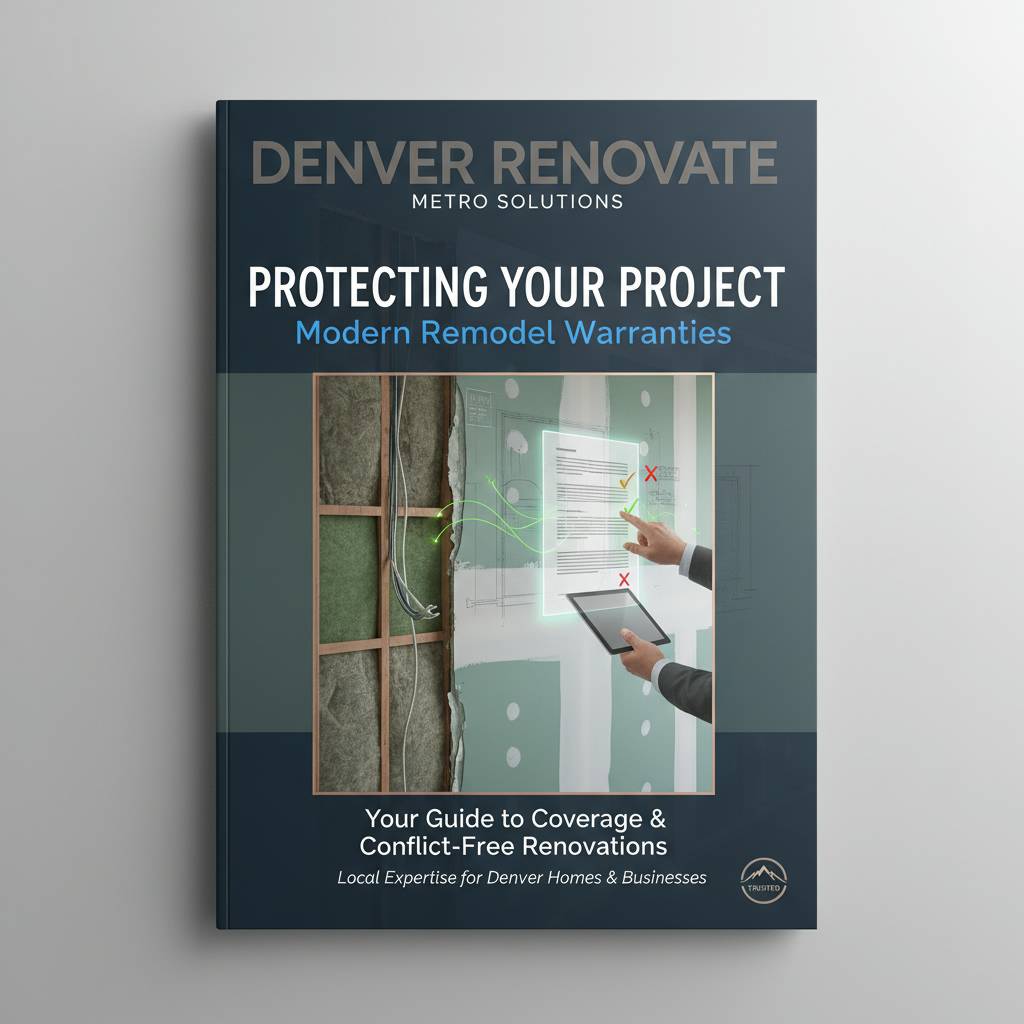 Preserving warranty coverage starts the day the project completes. Request completion checklists, final inspection reports, and operation manuals from the contractor. Follow manufacturer care instructions for appliances and finishes, and retain receipts for maintenance performed. When you hire third-party contractors later, notify your original remodel contractor if their warranty could be affected-sometimes a simple notification or written approval prevents voiding coverage.
Communication and documentation are the two most powerful tools homeowners have. Create a dedicated project folder-digital or physical-to store warranties, invoices, receipts, and photographs. Note the expiration dates for different warranty components so you can schedule proactive inspections before coverage lapses. A short annual checkup by a qualified tradesperson can often detect issues before they become warranty claims and may be much less costly than a full repair later.
Finally, ask clear questions before signing the contract: Who pays for travel or service call fees? Are replacements subject to availability? Will repairs aim to match existing materials or replace with current models? Knowing how warranties work on remodels includes understanding these operational details so you can avoid surprise expenses like a contractor service call fee of $75-$200 when making repeated requests.
Case Studies and Real-World Examples
Case study: A homeowner completed a mid-size kitchen remodel with a one-year workmanship warranty and five-year cabinet hardware coverage from the manufacturer. At month ten a cabinet door hinge failed. The homeowner documented the issue, emailed the contractor with photos, and the contractor replaced the hinge at no charge within a week. Because the homeowner retained the purchase receipt and followed the care guidelines, the manufacturer honored a hardware warranty for another repair the following year.
Case study: Another owner had a deck remodel and delayed routine cleaning for two years. When boards showed premature surface wear, the manufacturer denied the warranty claim due to neglect. The owner then engaged the original contractor for a discretionary repair, which was completed but billed at a reduced rate. That outcome reinforced the importance of following maintenance instructions to keep coverage intact.
These examples demonstrate common outcomes: timely communication and proper maintenance often result in fast, low-cost resolutions, while neglect or unauthorized modifications can lead to denied claims. They illustrate how proactive behavior from owners makes warranty systems function as intended.
Questions to Ask and Contract Clauses to Watch For
Before signing a remodel contract, ask the contractor to clarify warranty language in plain terms. Important questions include: Is the warranty written or implied? Who pays for diagnosis visits? Are warranties prorated over time? Is coverage transferable to a new owner? Ask for a written list that maps each element of the project (roofing, cabinetry, flooring, plumbing) to the specific warranty and responsible party-this reduces ambiguity later.
Common contract clauses to review include remedies (repair, replace, or refund), time frames for response, and dispute resolution methods such as mediation or arbitration. Also verify whether roof penetrations, flashings, and weatherproofing details are included in workmanship warranties. If any warranty language is vague, request clarification or an amendment that makes responsibilities explicit. A professional contractor will welcome these discussions and often include an owner-friendly warranty addendum.
Closing: How Riley Riley Construction Helps Protect Your Remodel
At Riley Riley Construction, we structure our agreements to make warranty obligations clear and manageable. We combine written workmanship warranties with documented manufacturer guarantees and provide owners with a detailed warranty packet at project close. Our goal is to give you confidence about post-project protection so you can enjoy your renovated space without uncertainty. Understanding how warranties work on remodels is the foundation of that confidence.
If you want a warranty review or have questions about coverage on a recent remodel, call us. We can review contract language, map out responsible parties, and advise on documentation and claim steps. Contact us at 17207828897 to schedule a consultation. Ask for if you prefer a direct point of contact for warranty and service questions.
Take the next step: Keep your remodel protected by confirming warranty terms before final payment and maintaining a file with all warranty and care documentation. For assistance, reach out to Riley Riley Construction at 17207828897-we'll help you understand coverage, next steps, and how to keep your investment secure.